
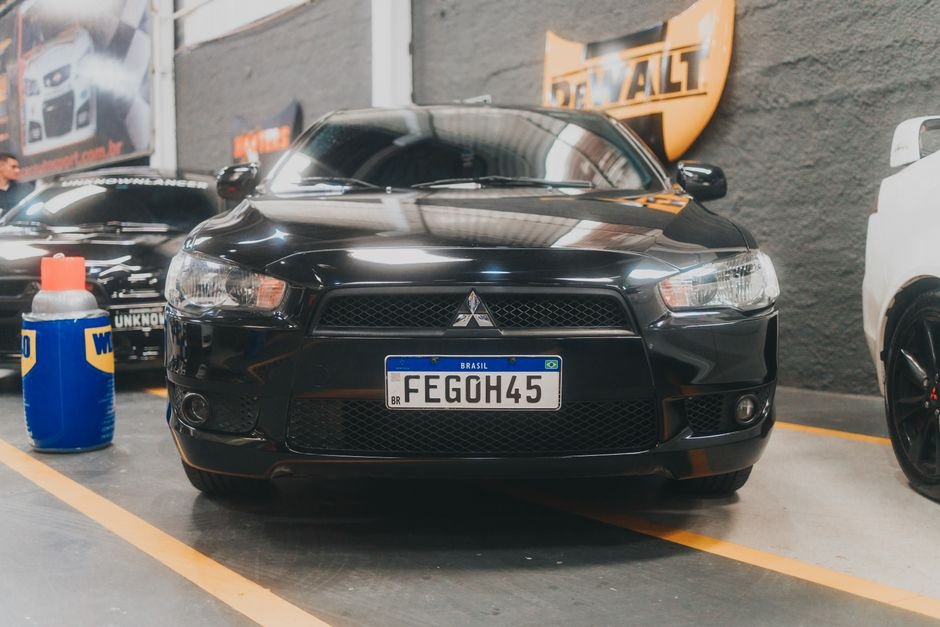
If you’re wondering whether Mitsubishi is shutting down, you’re not alone. The question pops up every few months in auto forums, dealership discussions, and even mainstream news. Let’s clear the air right away: Mitsubishi as a global company isn’t going out of business. The real story is about its car business in the United States, which is getting squeezed and prompting rumors about a possible exit.
Mitsubishi’s Global Status: Not Just a Car Company
The first thing to know is that Mitsubishi Motors is only one branch of the broader Mitsubishi umbrella. The Mitsubishi Group is massive and operates across a bunch of different industries—cars are just one piece of the pie. Besides producing vehicles, they’re in everything from heavy machinery and shipping to military equipment and financial services. Think back to the early 2000s when Mitsubishi cars were way more visible in the U.S. Even then, their auto business was only a small part of what this group does.
Globally, Mitsubishi brings in serious revenue from these other businesses. The car division’s U.S. sales are pretty minor when you look at the entire group’s income. If Mitsubishi Motors disappeared tomorrow, the parent company would keep humming along thanks to its industrial and service operations. There’s zero sign that the global conglomerate is in trouble. Any talk of Mitsubishi going under is really about their place in the U.S. car market—not the company as a whole.
“Momentum 2030”: Planning for a North American Comeback
You might have seen recent headlines about the “Mitsubishi Motors Momentum 2030” plan. That’s the company’s official long-term strategy for the North American market. Announced in 2024, the plan is supposed to be a roadmap for reviving and even growing the Mitsubishi brand in the U.S. and Canada over the next several years.
Mitsubishi’s executives have released details about upcoming vehicles, tech upgrades, and dealer support efforts tied to this plan. They want to show customers, dealers, and business partners that they still see potential in the U.S., and they’re not giving up. In company materials, Momentum 2030 is all about innovation, investment, and a “renewed focus” for North America.
If you just read their press releases, it’s clear they want to stay here and compete.
The Reality: U.S. Sales and Dealer Numbers Keep Shrinking
But the reality is tough. While Mitsubishi is still officially in the U.S. market and even had a 25% bump in sales in 2024, their place in the car world here is much smaller than it was. Remember back in 2000 when Mitsubishi was in fourth place among Japanese car brands here? These days, they’re much further down the list, and their overall market share is almost a rounding error compared to Toyota, Honda, or even Subaru.
That recent sales increase was largely driven by one thing: the Mirage. It was one of the last genuinely budget-friendly cars you could buy new, and that helped them during a time when affordable vehicles are nearly extinct. But now even the Mirage is being discontinued, leaving Mitsubishi without a true entry-level car in the U.S. after 2024.
Another blow has been the shrinking dealer network. In just the past year, Mitsubishi reportedly lost over 50 retailers. That may not sound like a lot, but for a brand already operating on thin margins and low sales volume, every dealership matters. Many left because they felt the vehicle lineup was uninspired, and sales just weren’t strong enough to make it worthwhile.
If you browse through car enthusiast sites or even Facebook groups, you’ll see plenty of fans and dealers sounding pretty pessimistic. A lot of people point out that Mitsubishi’s U.S. lineup is now just a few SUVs and crossovers—mainly the Outlander and Eclipse Cross. With fewer models and dealerships, it gets even harder to turn things around.
Could Mitsubishi Leave the U.S. Auto Market?
So, is Mitsubishi really leaving the U.S.? It’s a fair question, and honestly, it’s not as far-fetched as it would have seemed a decade ago. Several industry analysts think Mitsubishi could walk away from the U.S. car market if things keep going downhill, especially if there’s another recession or if new tariffs hit hard.
It has happened before with other brands. Look at how Suzuki and Daihatsu exited the U.S. passenger car market—both still exist worldwide but just don’t bother selling cars here anymore. For Mitsubishi, the U.S. is only about 10% of its global car sales. If they did bow out, it wouldn’t sink the parent company or even cripple the global car division.
There’s also the question of alliances. Mitsubishi is part of the Renault-Nissan-Mitsubishi Alliance. In theory, that should make it easier for them to get new models and tech. But insiders have wondered if those partnerships are more trouble than they’re worth, especially with talks of possible mergers elsewhere (like the recent Nissan-Honda rumors). If Mitsubishi’s lineup overlaps too much with what Nissan and Renault already offer, there’s not much incentive to double down in the U.S.
People on Reddit and in car forums sometimes speculate about tariffs or new regulations making it virtually impossible for Mitsubishi to make a profit here. If selling cars in the U.S. only means breaking even or losing money, that could tip the scales.
How the Community and Experts See Mitsubishi’s Future Here
Car lovers in the U.S.—especially the ones who remember turbo Eclipses or the Evo—are mostly rooting for Mitsubishi to make a comeback. But even the loyalists admit it’s tough. The lack of fresh, exciting vehicles and the feeling that Mitsubishi has lost its direction come up again and again in enthusiast forums.
Analysts are a bit more clinical. Multiple market reports have called Mitsubishi’s U.S. operations “structurally vulnerable,” meaning the business has too few models, not enough dealers, and a shrinking customer base. One well-known commentator even called Mitsubishi “likely the first casualty of the slowing car market,” highlighting that most dealers leaving did so because they didn’t see a path to better profits.
There’s a lot of head-scratching about how Momentum 2030 will play out. Even with the plan in place, many are skeptical that Mitsubishi can reverse the decline unless they roll out new, appealing vehicles—and fast.
What’s Next? Watching “Momentum 2030” and the U.S. Market
At this point, Mitsubishi Motors North America is very much still open for business. They have a long-term strategy, are selling SUVs and crossovers, and are making some short-term sales gains with leftover Mirage stock. But you don’t need to squint to see the issues: fewer dealers, fewer new models on the way, and lingering doubts among fans and industry observers alike.
Is Mitsubishi totally leaving the U.S. market in the next year? There’s no official announcement or public hint from the company that that’s their current plan. What’s unique about Mitsubishi is how little their U.S. exit would impact global operations. They’d still build and sell cars across Asia, Europe, and other regions. The broader Mitsubishi Group would continue cruising along thanks to its many other revenue streams unrelated to cars at all.
If you’re interested in how companies adapt under pressure, this is a brand worth watching over the next few years. Dealer and community reactions will be good early warning signs if things take a more negative turn. You can read more about these business shifts and what makes brands pull out of certain markets at Small Steps Business.
The Bottom Line: Not Going Out of Business, But U.S. Future Is Uncertain
So, here’s where things stand. Mitsubishi is not going out of business globally. The Mitsubishi Group is solid, with a huge industrial base and significant income far beyond car sales. Mitsubishi Motors North America is still operating, and the official story is that they plan to stick around with Momentum 2030.
But if you’re a U.S. fan or car shopper, it’s fair to wonder about Mitsubishi’s future here. The U.S. business is under real pressure, and a market exit is a serious, realistic possibility—much more so than for bigger Japanese brands.
It’s a story in progress. For now, the brand is hanging on. If you’ve got your eye on a Mitsubishi or are a dealer wondering about the next move, keep watching how the company’s plans—and the broader economy—shape up between now and 2030. We’ll be watching too.
Read Also: